
Training Modules
A tool only helps if the people using it trust it
New tracking steps or automation rarely fail because of the technology itself. They fail because nobody explained why the extra step matters. Our training modules exist to close that gap, in sessions sized for a real shift, not a full-day seminar.
The Modules
Five modules, built around specific floor roles
Modules are delivered on-site or in short remote sessions and adjusted to match whatever tracking system or process is already in use at your operation.
Inventory System Fundamentals
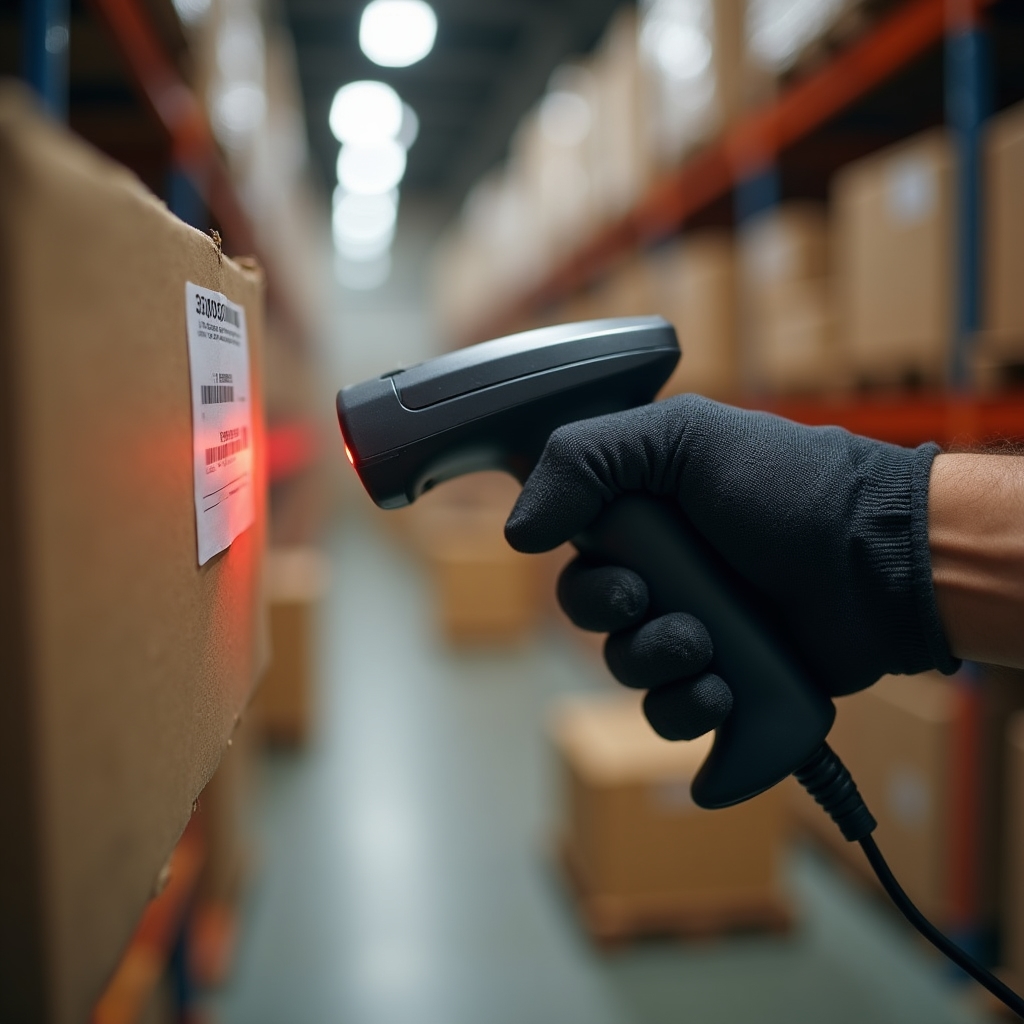
Staff often resist a new scanning step because they don't see what it changes for them. This module walks receivers and pickers through the full life of a scanned item, so the extra step reads as useful rather than bureaucratic. Includes a short hands-on practice run using sample stock.
Bottleneck Spotting for Supervisors
Supervisors are usually the first to sense that something is slow, but rarely have a structured way to describe why. This session introduces a simple observation framework for timing handoffs and flagging recurring delays, so issues reach us or ownership as clear notes rather than vague complaints.
Basic Automation Tools Walkthrough
Covers whichever lightweight tools have been introduced during an engagement, such as auto-updating spreadsheets, barcode triggers, or simple scripts. Focused on what to do when something looks wrong, not just how to use the tool when everything works.
Data Hygiene and Cycle Counting
Small entry errors compound over weeks into inventory records nobody trusts. This module builds a habit of quick, regular cycle counts and consistent data entry conventions across shifts, so the tracking system stays reliable between larger audits.
Change Rollout Communication
Built for team leads rather than floor staff. Covers how to introduce a process change to a shift, answer the questions that come up in the first week, and report early friction back before it turns into quiet non-compliance.

How sessions are structured
Each module runs between 45 minutes and two hours, scheduled around shift patterns rather than requiring staff to come in outside working hours. Groups are kept small, usually under ten people, so questions get addressed directly rather than saved for a follow-up email nobody reads.
Materials are left behind in printed and digital form, written in plain language rather than software documentation style, since not every session participant will use the tool the same way or as often.
Refreshers and turnover
Warehouse teams change. Seasonal hiring, shift transfers, and general turnover mean a training session held once is rarely enough on its own. We offer short refresher sessions timed around seasonal peaks or after a noticeable jump in new hires, so the original training doesn't quietly erode as the team changes shape.
These refreshers are shorter than the original modules and focus on whatever has drifted, based on what a follow-up floor observation or supervisor feedback identifies as slipping.
Curious which module fits your current setup?
Tell us what tracking method you use today and we can outline which sessions would be relevant.
Get in Touch