
Warehouse Operations Consulting
Your warehouse doesn't need a full overhaul. It needs the right fixes, in the right order.
Foxido works with small and mid-size logistics operators to untangle inventory tracking, smooth out workflow bottlenecks, and add automation that fits the team already on the floor.

Where Things Go Wrong First
Four situations we see on almost every floor
When counts drift from the shelf
Manual spreadsheets and paper counts fall out of sync the moment order volume increases. We map every point where inventory changes hands and put a lightweight tracking layer in place that keeps counts accurate without forcing staff onto an unfamiliar platform overnight.
When pickers walk further than they should
A layout built for last year's order volume creates travel time that adds up shift after shift. We trace the physical path of a typical order from receiving to shipping and rework storage zones so the floor matches how work actually happens today.
When manual steps eat the day
Re-keying data, printing labels twice, checking the same order across two systems. These small repeated tasks quietly consume hours. We identify which ones are worth automating first and set up tools that remove repetition without replacing what already works.
When new tools sit unused
A system nobody trusts gets abandoned within a month, no matter how capable it is. We involve floor staff in the design of any process change from the start, so updates get adopted because they make the shift easier, not because a memo said so.
What We Do
Six areas we work through with your team
Every engagement starts from where your operation actually stands, not from a template. These are the recurring areas of focus, chosen based on what your floor walkthrough reveals.
Inventory Tracking Audit
A structured review of how stock is counted, recorded, and reconciled, from receiving dock to shelf to shipment, so gaps get named instead of guessed at.
Workflow Bottleneck Mapping
We walk the physical process end to end, timing handoffs and flagging where orders wait, so slowdowns are visible on paper before they get discussed as opinions.
Light Automation Design
Barcode scanning, simple triggers, connected spreadsheets, small scripts. We favor tools that plug into what you use now over systems that require replacing it.
Staff Training and Rollout
Short, role-specific sessions for pickers, receivers, and supervisors, built around the exact steps that are changing rather than generic software tutorials.
WMS Selection Guidance
When a warehouse management system genuinely makes sense, we help compare options against your actual order volume and budget, not a vendor's feature list.
Ongoing Process Review
Quarterly or seasonal check-ins that revisit what changed, what stuck, and what needs adjusting as your order patterns shift through the year.
The First Six Weeks
A short, focused engagement before anything gets automated
Most warehouses call us after a slow season exposes problems that fast growth used to hide. Before recommending any tool, we spend time on the floor watching how orders actually move: where they wait, where they get double-handled, where information disappears between shifts. Only once that picture is clear do we suggest specific changes, starting with the ones that cost the least to test.
- 01Weeks 1-2. Floor observation and data review across a full order cycle.
- 02Week 3. Bottleneck mapping session held together with your team, not for them.
- 03Week 4. A draft set of recommendations, ranked by effort and disruption.
- 04Weeks 5-6. One pilot change, tested on a limited scope before wider rollout.

Who This Fits
Built for operations between spreadsheets and enterprise software
Small logistics companies often sit in an awkward middle ground. A single spreadsheet stopped being enough a while ago, but a full enterprise warehouse management system feels like using a shipping container to move a single pallet. That gap is where most of our work happens.
We typically work with regional distributors, small third-party logistics providers, and warehouse operations running somewhere between a handful and a few dozen staff on the floor. If receiving, put-away, picking, and shipping still involve a fair amount of manual coordination, there is usually room to tighten things without a ground-up rebuild.
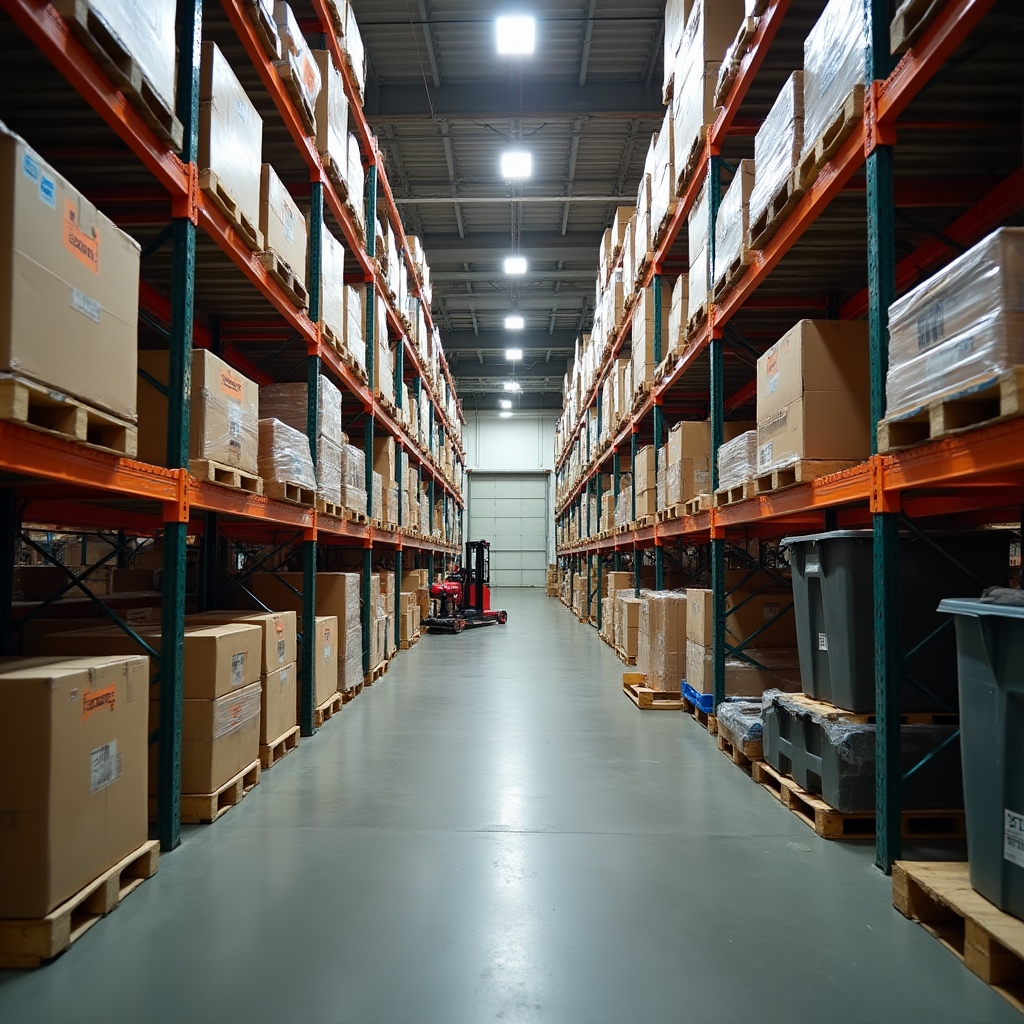
Ready to look at your floor with fresh eyes?
A first conversation is a walkthrough of what's happening on your floor today, not a sales pitch for a specific tool.
Book a Consultation